Streetwear Graphic Design: Beyond the Hype
Streetwear isn't just about the clothes; it's a visual language. At the heart of that language is graphic design that speaks volumes, captures a moment, and defines a subculture. We're talking about designs that feel urgent, authentic, and unapologetically bold. If you're looking to create apparel that connects, you need more than just a cool idea—you need the right tools. A premium set of streetwear graphic design assets provides exactly that: a versatile foundation of high-quality, editable vectors ready for your creative vision.
The Anatomy of a Streetwear Aesthetic
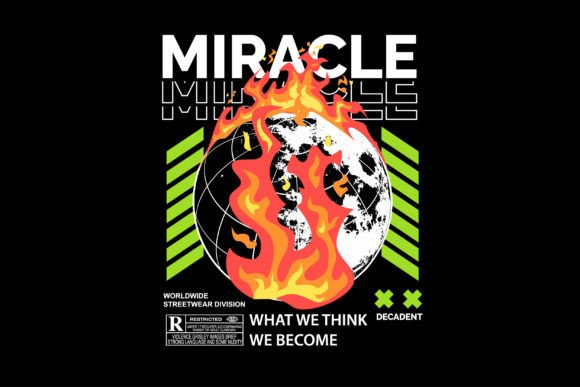
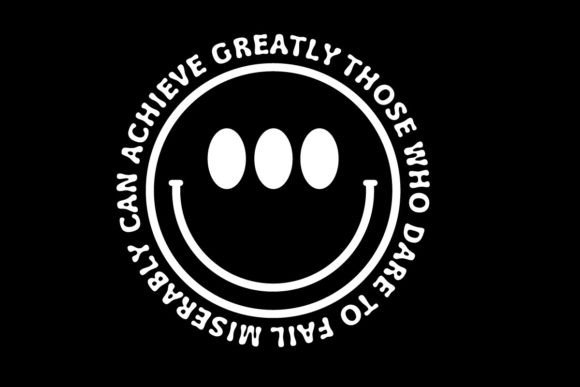
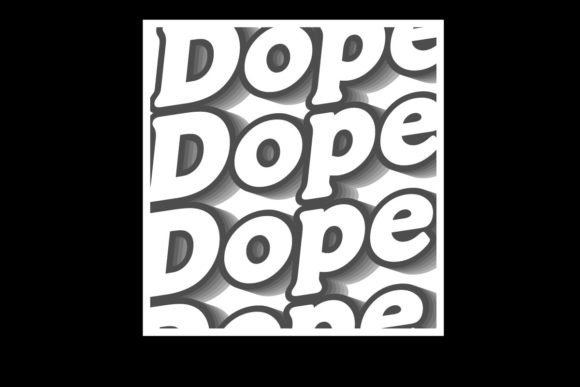
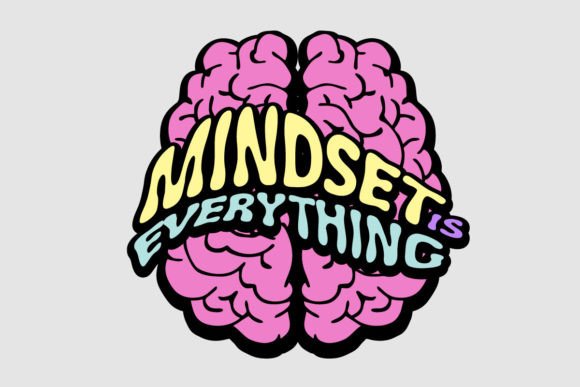
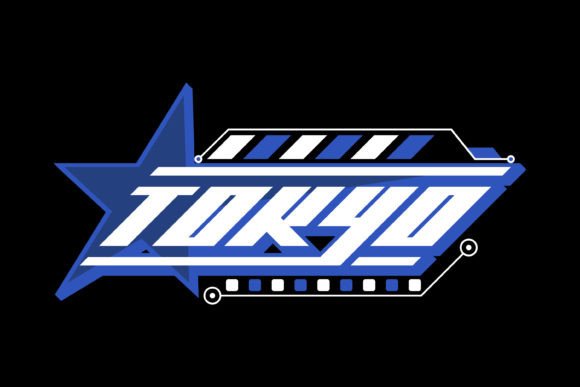
What makes a design feel "streetwear"? It's a specific blend of attitude and execution. The visuals often draw from a mix of influences: the raw energy of punk zines, the intricate detail of tattoo art, the clean lines of Japanese typography, and the gritty texture of urban landscapes. You'll see a lot of bold, impactful imagery—think aggressive typography, intricate illustrative line work, and powerful iconography. The personality is confident and sometimes confrontational, designed to make an immediate impression.
The appeal lies in its versatility and cultural weight. A well-executed streetwear graphic can transform a simple t-shirt into a statement piece. It communicates affiliation, taste, and a certain creative defiance. For a brand, this style isn't just decoration; it's a core part of the brand identity. It says, "We understand the culture, and we're part of it." The best assets in this style, like those provided in EPS and AI formats, respect this by offering 100% vector shapes that maintain their sharpness and integrity whether printed large on a back panel or small on a chest pocket.
From Screen to Street: Practical Applications
The true test of any design asset is its real-world application. A robust streetwear graphic design package is built for production. Here’s where these types of assets truly shine:
- T-Shirt & Apparel Production: This is the core use case. The files are optimized for sublimation, direct-to-garment (DTG), and screen printing. High-resolution JPGs and transparent PNGs are print-ready, while the editable vector files (EPS 10 & AI) allow you to customize colors, scale elements without loss of quality, and separate layers for different print methods.
- Merchandise & Beyond: Think stickers, posters, hats, and tote bags. A single vector graphic can be adapted across an entire product line, ensuring visual consistency. The 300 dpi resolution guarantees professional quality for all print merchandise.
- Digital Branding: Use these graphics to create a cohesive look for social media profiles, website banners, and digital ads. The bold style is perfect for grabbing attention in a crowded feed. The provided PNG files with transparent backgrounds make layering over photos or colored backgrounds simple.
- Editorial & Content: Bloggers, content creators, and publishers can use these elements to create striking featured images, magazine layouts, or zine-style publications that need an edgy, contemporary feel.
The key advantage here is the "fully editable vector" promise. Unlike raster images, vectors are made of mathematical paths, not pixels. This means you can recolor an entire design to match your brand palette in minutes, resize a graphic for a billboard or a business card without a second thought, and manipulate individual elements to create something entirely new. This flexibility is what separates a generic clipart purchase from a professional design investment.
Making It Work for Your Project
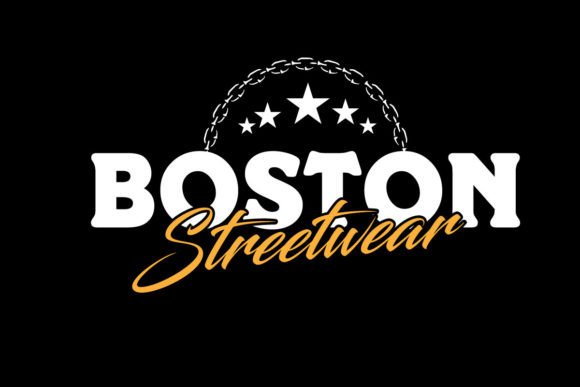
So, you've got a folder full of killer graphics. Now what? Using them effectively requires a bit of strategy. First, consider your audience and your message. A design featuring heavy, distorted typography and skull imagery sends a very different signal than one with clean, geometric patterns and subtle script lettering. Choose assets that align with the personality of your brand or project.
Next, think about font pairing and composition. These graphic elements are often designed to be the hero of the layout. Pair them with a clean, modern sans serif font for body text to ensure readability. Let the streetwear graphic command attention, and use more neutral typefaces for supporting information. This creates a strong visual hierarchy.
Finally, test before you commit. Mock up your design on a t-shirt template. Print a sample sticker. View it on different devices if it's for digital use. Check how the colors translate from screen to print. The provided high-resolution files make this process seamless, but always do a physical or digital proof. Remember, the goal is to create something that feels authentic and professionally produced, leveraging these high-quality design assets to elevate your work from amateur to authoritative.